
Best Greece Tours: Culture, Food And Coastlines
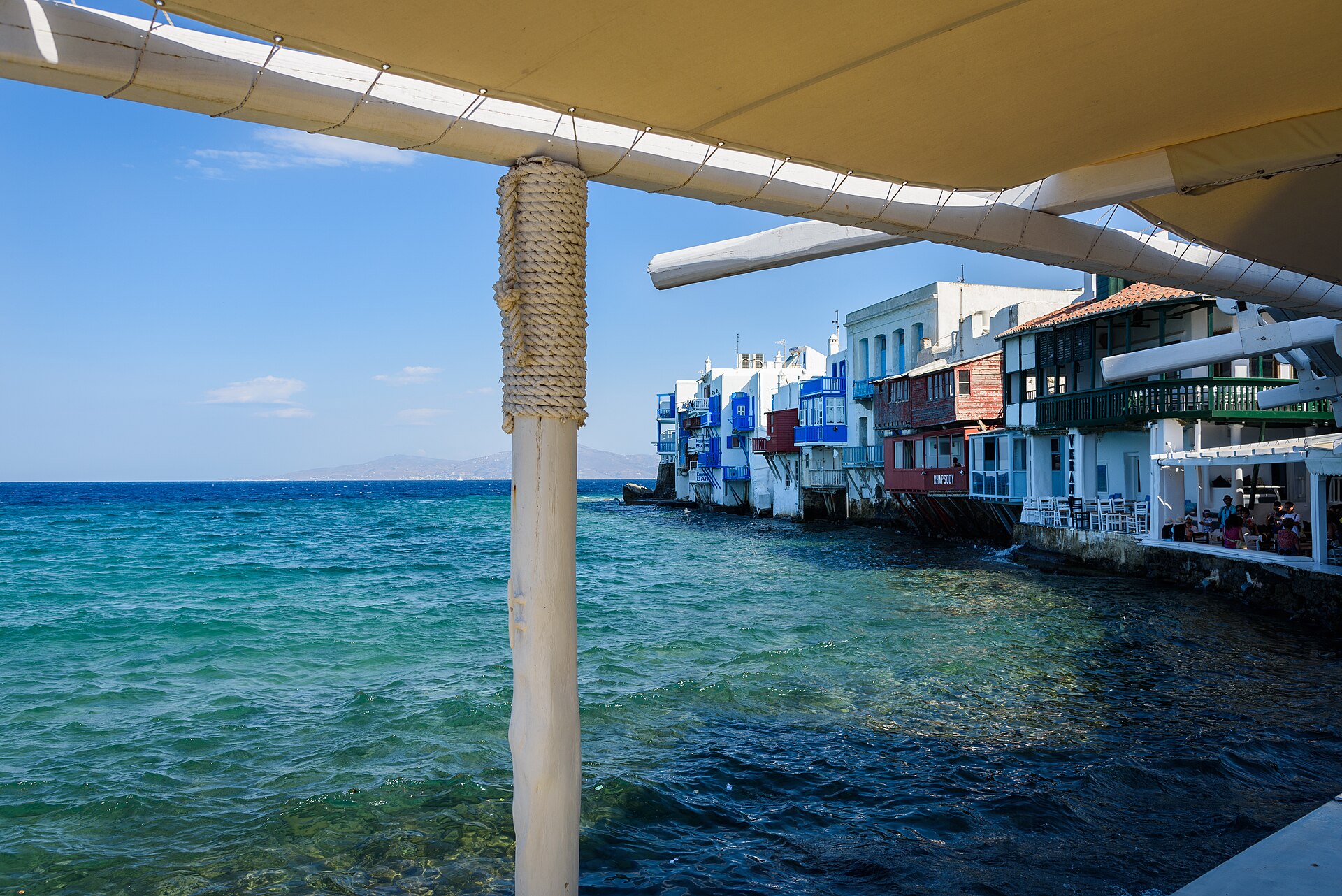
Greece rewards every kind of visitor, from first-timers and couples to families, friends and solo travelers. Greece tours make those rewards easy to reach, linking famous ruins, white villages and blue bays into days that flow well. Careful planning turns a busy holiday into a relaxed one, full of small, memorable surprises.
This guide moves through the capital, the mainland, the Cyclades and the large islands. Each part explains what to see, which kinds of tours people choose and which useful extras come with them. My Greece Tours shares practical ideas like these, so every visitor can plan a memorable holiday with real confidence and ease.
What Should You Know About Greece Tours In The Capital?
Greece tours in the capital center on the Acropolis and its museum. They also add old streets, boat cruises, food classes and a coastal trip to Cape Sounion. Travelers can compare Greece tours and Tours In Greece to match each plan to their pace. Most visits start here, so the city sets the tone.
What should be on every list in the capital?
Most Greece tours begin at the Acropolis hill, which rises above Athens like a stone crown. Its marble temples once honored Athena, the goddess of wisdom who gave the city its name. On the south slope sits the Theatre of Dionysus, an open-air stage cut into the hill where Greek drama took shape.
The Acropolis Museum stands at the foot of the hill, so the two pair well. Glass floors reveal ancient streets found during building work. Nearby, the Roman Agora was a market square from the days when Rome ruled Greece. Its Tower of the Winds once told the time with sundials and a water clock.
Hadrian’s Arch, named after a Roman emperor, marks the edge between the old town and a newer Roman quarter. Behind it, the National Garden offers shade and quiet paths, while Psyrri hums with music at night. A coastal drive ends at Cape Sounion, where a temple to the sea god watches the sunset.
How are Greece tours set up in the capital?
Private tours with a driver-guide or skipper suit couples, families and friends who want their own pace. The price covers the whole party rather than each person, so sharing it works well. Plans can bend around nap times, photography stops or a long lunch by the sea.
Boat cruises with swim stops suit anyone who needs a break from the city heat. They sail from the southern coast and pause in clear, quiet coves. Guided walking tours suit first-timers and solo travelers who enjoy stories with sights, and they make it easy to meet fellow travelers.
Cooking classes and wine tastings fit food lovers and curious couples. Guests learn a few local dishes, then sit down together to eat what they made. These evenings feel relaxed, warm and social, and they often end with music and laughter.
Which services make Greece tours in the capital easier?
Many day trips include lunch or a BBQ meal, which saves time hunting for a table in a busy area. On cruises, drinks come on board, and some trips make them unlimited. That matters on hot days, when cold drinks and water keep everyone refreshed and cheerful.
A licensed or local guide brings the biggest gain, since licensed guides have studied the sites in depth and passed state exams. They explain ancient stones in plain words and know the quiet corners. Children often love the myths most, so a good guide keeps them curious.
Wine tastings let visitors try local grape varieties without driving between farms. Swim stops turn a long day into an enjoyable one, since a cool dip refreshes tired legs. Together, these extras make Greece tours in the capital feel easy rather than rushed.
Which tricks save time in the capital?
Reach the Acropolis gates at opening time or in the late afternoon. Midday sun on the bare rock feels strong, and the lines grow long. Wear comfortable shoes with good grip, since the polished marble paths turn slippery. Carry a hat, sunscreen and a refillable water bottle for the climb.
Save the museum for the hottest hours, then stroll the old streets after dark under the street lamps. Many visitors read these budget travel tips for Athens before they book anything. Light layers help too, because sea breezes chill the evenings quickly near the coast. Taking the metro also avoids slow city traffic.
What Can You Expect From Greece Tours In The Mainland?
Greece tours in the mainland reach great sanctuaries, or holy places, along with cliff-top monasteries and royal ruins. Most start from Athens, and some stay out for several nights. Travelers see oracles, stadiums and theatres that shaped Western culture. Along the way, the drives pass olive groves, rugged mountains and quiet seaside towns.
What should be on every list in the mainland?
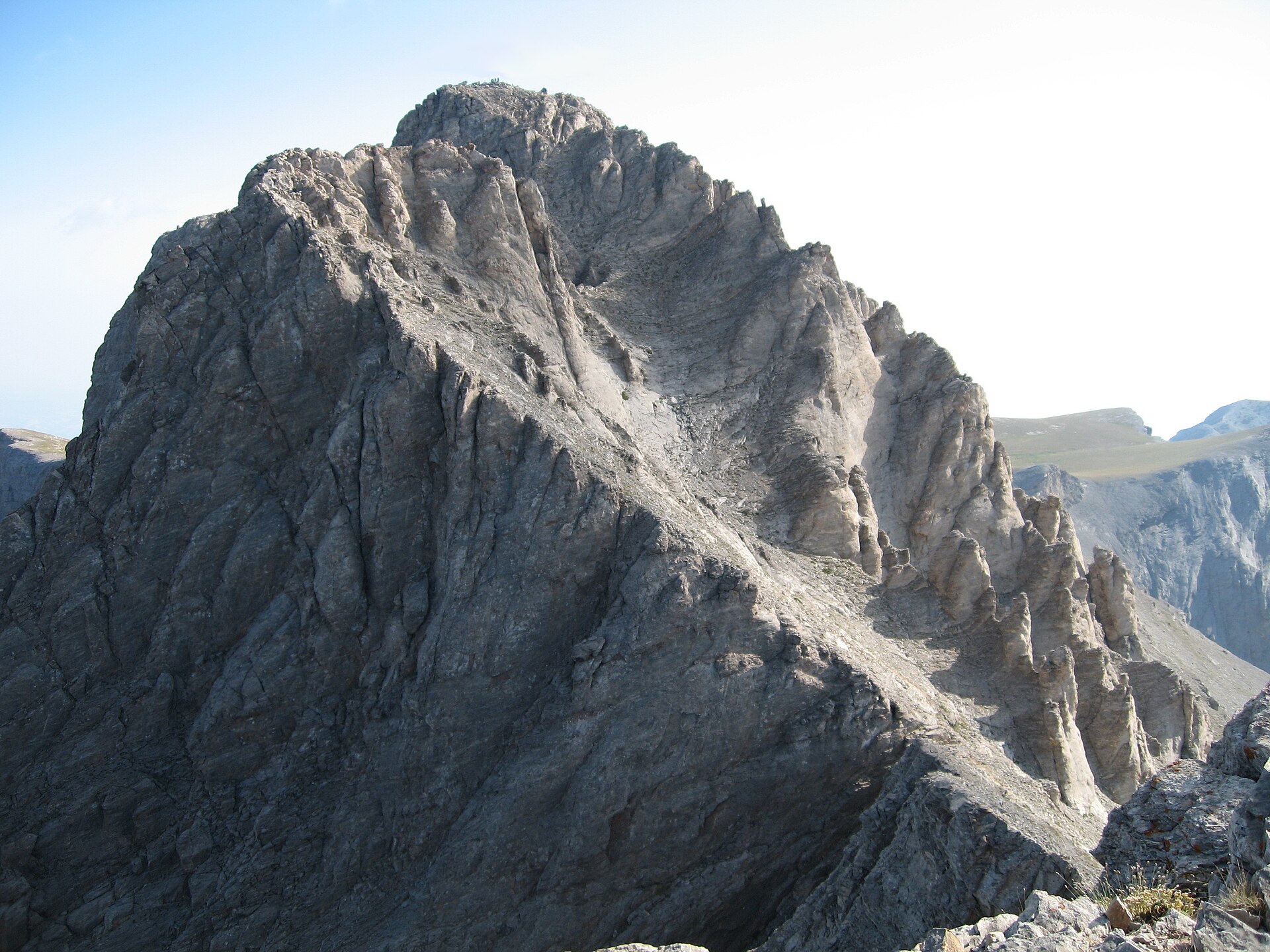
Delphi clings to a steep mountain slope above a sea of olive trees. The ancient Greeks believed this sacred spot was the center of the whole world. People came to the Temple of Apollo to ask the oracle, a priestess who spoke for the god. Her answers were famous for being puzzling.
Meteora feels like another planet, because monks built monasteries on top of tall rock pillars. Monks and nuns still live and pray in some of them today. Farther south, Mycenae was home to powerful early kings from Greek legend. Its Lion Gate, with carved lions above the entrance, still greets every visitor.
The theatre of Epidaurus carries a whisper from the stage to the very top seats. Nearby, Nafplio charms with pastel houses below the Palamidi fortress. Ancient Olympia is where the Olympic Games began, with races held to honor Zeus. On the way back, the Corinth Canal shows a narrow cut with steep rock walls.
How are Greece tours set up in the mainland?
Mainland Greece tours come in several clear styles. Tours with only a handful of guests suit travelers who want personal attention from the guide. Full-day trips from Athens by coach suit first-timers who want Delphi or Mycenae without driving. The coach handles the driving, so guests can relax between stops.
Guided walking tours suit anyone who loves stories, since the guide brings ruins to life on the spot. Entry tickets suit independent travelers, couples and families who want to explore at their own pace. They can linger in a museum, rest in the shade or skip ahead.
Multi-day tours with hotel nights suit people who want depth over speed. They link Delphi and Meteora in a single smooth loop without daily packing stress. Travelers who love the past can read more about Greece historical tours to pick the best route.
Which services make Greece tours in the mainland easier?
A licensed or local guide matters most on mainland Greece tours. The sites spread across wide ground, and many stones look alike without someone to explain them. A guide explains which temple stood where and what each ruin meant. Families find that tales of heroes and gods keep children curious.
Entry tickets included in the tour save time at busy gates. Instead of waiting in a long line under the sun, guests walk straight in with their guide. That leaves more time for the museum, the shade or a quiet view across the valley.
Hotel nights on multi-day trips remove the stress of finding accommodation in small towns. Luggage travels with the coach, so travelers carry only what they need. Waking up near Meteora also means seeing the rocks glow in soft morning light, before the day visitors arrive.
Which tricks save time in the mainland?
Expect early starts, because coach trips to Delphi or Olympia usually leave soon after sunrise. Sleep well the night before and pack snacks, water and a charged phone for the road. Wear sturdy shoes with good grip, since paths at Delphi and Mycenae climb over rough, uneven stone.
At Meteora, cover shoulders and knees to enter the monasteries. Women may need a long skirt, though some monasteries lend wraps at the door. Bring a hat and sunscreen for the open sites. A light jacket also helps, because the mountain air turns cool in the late afternoon.
What Do Greece Tours In The Cyclades Offer Visitors?
Greece tours in the Cyclades mix white villages, windmills and sacred ruins with boat days, snorkeling and island food. Each island has its own mood. Some trips explore a single island in depth, while others hop across the sparkling Aegean Sea. Couples, families, friends and solo travelers all find something to love here.
What should be on every list in the Cyclades?
Many Greece tours start with the cliff villages of Santorini, which sit on the rim of a giant volcano crater. White houses and blue-domed churches spill down the steep slope toward the deep blue sea. Sunset draws crowds every evening, so arriving early earns the best view across the flooded crater.
Mykonos greets visitors with a line of windmills on a low hill, which once ground grain for bread. A short boat ride away lies Delos, a sacred island where myths say Apollo was born. Its ruins cover most of the island, with mosaic floors, old homes and a row of marble lions.
Milos hides sea caves and pale rocks that look like the surface of the moon. Many of its coves can only be reached by boat. On Naxos, the old town climbs to a castle built by rulers from Venice. On Paros, the harbour of Naoussa glows with fishing boats and seaside cafes.
How are Greece tours set up in the Cyclades?
Private tours with a driver-guide or skipper suit couples, families and friends who want their own boat or car. One price covers the whole party, so the cost shares out well. Boat cruises with swim stops suit nearly everyone, from lively teens to relaxed grandparents.
Full-day trips from Athens by coach link to fast ferries and suit first-timers short on time. Snorkel and beginner scuba trips suit active travelers and older children who feel at home in the water. Instructors teach the basics in calm, shallow water before anyone swims farther out.
Cooking classes and wine tastings suit food lovers and curious couples. Santorini vines grow in volcanic soil, which gives the wine a special, mineral taste. Guests learn simple island dishes, then share the meal together at a long table under the vines.
Which services make Greece tours in the Cyclades easier?
Many boat-based Greece tours include lunch or a BBQ meal on deck. Drinks often come too, and some trips make them unlimited. A licensed or local guide explains Delos, the villages and the volcano in plain words. That context turns a pretty day into a lasting memory.
Snorkel gear on board means nothing extra to pack or rent separately. Swim stops in clear coves bring fish and bright water close. Free time to explore lets travelers wander a village, shop or rest at a cafe. That balance suits families, couples and solo travelers alike.
Wine tastings add a peaceful ending to the day, as visitors try island wines with cheese and local bites. Those planning a longer stay can read more about Naxos and its quiet mountain villages. Many tastings happen at family wineries with sea views.
Which tricks save time in the Cyclades?
Book boat days early in the trip and keep a spare day free, because strong summer winds can cancel sailings. Pack reef-safe sunscreen, a hat and a light cover-up, since shade is rare on deck. Seasickness pills help anyone with a sensitive stomach on choppy days.
On Santorini, watch the sunset from a quieter spot away from the main crowds. On Mykonos and Paros, explore the villages in the morning, before the narrow lanes fill. Sandals with good grip help on smooth, polished steps. A small dry bag keeps phones and cameras safe on boats.
What Are The Best Greece Tours In The Large Islands?
The best Greece tours in the large islands blend Minoan ruins, medieval towns, pink beaches and cave lakes. They add boat trips, village visits and long lunches. Crete, Rhodes, Corfu and Kefalonia reward travelers who slow down and stay a while. Guided days help visitors catch the highlights without stress or wasted time.
What should be on every list in the large islands?
Knossos on Crete was the palace of the Minoans, a people who ruled the island long before classical Athens. Legend places the maze of the Minotaur, a half-bull monster, right here. In Chania, a harbour from Venetian times curves gracefully toward an old stone lighthouse that glows at dusk.
Elafonisi, also on Crete, is famous for its pink-tinted sand and shallow, warm water where children can wade safely. Rhodes town is a medieval walled city built by knights, and its Street of the Knights still looks like a film set. Down the coast, Lindos shines white below its hilltop acropolis, or high city.
Corfu old town mixes Venetian, French and British styles in its shady lanes, elegant arcades and wide squares. On Kefalonia, the Melissani cave lake glows blue when sunlight falls through an open roof. Boatmen row visitors slowly across the still water, and the ride feels like floating on light.
How are Greece tours set up in the large islands?
Island Greece tours come in many styles, from private days to shared boat trips. Private tours with a driver-guide or skipper suit families and friends who want flexible days. One price covers everyone, so the cost feels fair when shared. Boat cruises with swim stops suit beach lovers who want hidden coves.
Guided walking tours suit history fans in Rhodes town and Chania. Full-day trips from Athens by coach and ferry suit travelers based in the capital who want a quick island taste. Entry tickets suit independent visitors who like to explore Knossos or Lindos at their own pace.
Cooking classes and wine tastings suit food lovers of every age. Cretan cooking uses olive oil, wild greens and fresh cheese, so classes feel generous and healthy. Learn more about Crete and its food villages before choosing a class.
Which services make Greece tours in the large islands easier?
Lunch or a BBQ meal often comes with boat trips and village days. Drinks are usually included, and some trips make them unlimited. That saves time on long, hot days, and families like knowing that meals are sorted before leaving the hotel.
A licensed or local guide turns Knossos from a maze of stones into a living palace. Guides explain the myths and point out the bright painted walls of dolphins and dancers. Entry tickets in the package skip the ticket line, which helps greatly in busy months.
Wine tastings show off island grapes and local cheese, while swim stops add fun between sights. A cool dip after a hot walk around Lindos makes Greece tours on the islands feel like a reward. Most boat days also stop at a quiet beach where children can play safely.
Which tricks save time in the large islands?
Choose a single base on each island rather than changing hotels every night. Distances on Crete feel bigger than they look on a map, so plan fewer stops each day. Start early to beat the heat and the crowds at Knossos and Elafonisi. Pack water shoes, since many island beaches are rocky underfoot.
Carry some cash for small village cafes, since a few do not take cards. Bring a light scarf to cover shoulders in churches and monasteries. Sunscreen, a hat and a refillable bottle are must-haves everywhere. Check ferry times the night before, as schedules can shift.
Conclusion: Best Greece Tours, Planned Well
Greece tours open the country to every traveler, from first-timers to repeat visitors. The capital brings temples and museums, while the mainland adds oracles and monasteries. The Cyclades and the large islands bring beaches, boats and village life. Each region offers its own kinds of tours and extras like guides, meals and swim stops.
The best plan matches each day to the travelers taking it. Mix guided visits with free time, and leave room for slow meals and rest. Anyone arranging a trip for friends or relatives can use this guide for trip organizers. With smart choices, Greece tours turn into memories that last a lifetime.
Frequently Asked Questions About Best Greece Tours
Are Greece tours good value?
Most Greece tours give strong value because they bundle transport, a guide and often meals or tickets. Doing the same alone usually takes more time, money and careful planning. Private tours also share one cost across the whole party, which helps families and friends keep spending comfortable.
How early should you book Greece tours?
Book popular Greece tours a few weeks ahead for summer travel, since sunset cruises and Acropolis visits fill first. In spring and autumn, booking a few days ahead usually works well. Early booking also gives the widest choice of start times, languages and convenient meeting points.
Do Greece tours include lunch?
Many Greece tours by boat or coach include lunch or a BBQ meal, often with drinks. City walking tours usually do not, though some finish at a traditional cafe or tavern. Each listing explains exactly what is included, so a quick check before booking avoids disappointing surprises.
Can you change Greece tours after booking?
Many Greece tours allow free changes or cancellation up to a set time before the start. Rules differ between experiences, so reading the terms carefully before paying is wise. Flexible bookings are especially helpful when weather, health or travel plans shift without warning.
Do Greece tours include hotel pickup?
Many Greece tours include hotel pickup in Athens and on the large islands, especially full-day trips. Some ask guests to meet at a central point instead, often near a main square or port. The booking page always shows which option applies, along with the exact meeting location.
Do Greece tours run in all weather?
Most land-based Greece tours run in all weather, including light rain or strong sun. Boat trips may stop when strong winds blow, since safety always comes first at sea. In that case, the organizer usually offers another date or a full refund without any fuss.
How do you decide between private and shared Greece tours?
Private Greece tours give travelers their own guide, pace and route. Shared Greece tours cost less per person and bring the chance to meet new people. The right choice depends on budget, energy levels and how much personal freedom matters during each day of the holiday.
When does a private tour make sense?
Private Greece tours work well for families with young children, couples celebrating a special occasion and slower walkers. The guide adjusts the plan as the day develops, so a long lunch or an extra swim is easy to add.
Private outings also help travelers with particular interests, such as old churches, birdwatching or local wine. This page on personalized private travel in Greece explains how to shape an entire day around those interests. A private guide can also slow down for photos at every viewpoint.
The price is higher than a shared seat, yet many travelers consider the freedom worth it. Private Greece tours also make sense for anyone who feels uncomfortable among strangers. A quiet vehicle and a patient guide can turn a nervous day into a relaxed one.
When does a shared tour work best?
Shared Greece tours suit solo travelers and friends who enjoy meeting people from other countries. The cost is divided among several guests, which keeps each individual ticket noticeably cheaper. The fixed schedule also removes the stress of choosing every single stop.
Shared days come with built-in company as well. Solo travelers often find dinner partners or swimming companions among the other guests. Friendly conversation during long drives makes the hours pass quickly.
For a clear look at both styles side by side, read this page on authentic tours in Greece. It describes what each experience feels like, from the first greeting to the final goodbye. Reading it first helps travelers avoid booking the wrong style.
Travelers on a tight budget can combine both styles in one trip. A shared day at a famous site and a private day in a quiet village balance cost and comfort nicely. These budget tips for Greece show other practical ways to save.
Why do guided Greece tours help?
Guided Greece tours help because a trained guide turns old stones into clear stories. Guides also handle tickets, timing and routes, so travelers spend the day looking instead of planning. That makes even a short visit feel complete and surprisingly easy.
What does a licensed guide add?
In Greece, only state-licensed guides may lead tours inside archaeological sites and museums. An archaeological site is a place where experts dig up and protect ancient ruins. Licensed guides complete official training in history and art, so the information on guided Greece tours is reliable.
A good guide also explains difficult words in simple language. A temple was a house built for a god, and the agora was the old market square. Guided Greece tours make these ideas easy for teenagers and adults alike.
Guides bring the past to life through small, memorable details. They point out ancient marks carved into stones, explain how statues were originally painted and share local legends. Without that help, many visitors walk past the most interesting parts of a site.
How do guides help with crowds and tickets?
Experienced guides know the quieter hours and the best entrances at busy places. This short guide on avoiding crowds at the Acropolis shows why timing matters so much on the famous hill above Athens. Guided Greece tours often reach the gates before the largest crowds arrive.
Tickets are another reason travelers choose guided Greece tours. Many guides arrange entry ahead, which saves time in long lines under the sun. Anyone planning an independent visit should first check whether to buy Acropolis tickets in advance.
Guides also lead walks through old towns and along gentle hill paths. This guide to Greece walking tours covers routes for every fitness level. Walking Greece tours with a guide feel safer in narrow lanes where maps become confusing.
How do you plan rest around Greece tours?
Plan rest around Greece tours by leaving a free half day after every long trip. Early starts, hot sun and lots of walking tire people out faster than they expect. A calm day keeps everyone fresh and cheerful for the next outing.
How many tours fit into one day?
One main excursion each day is enough for most travelers, especially during the warmer summer months. Two full Greece tours on the same day leave little time for meals, naps or a slow swim. A simple rhythm keeps energy high from the first day to the last:
- Follow a long day trip with a free morning.
- Put beach time between two busy sightseeing days.
- Rest indoors in the hottest part of the afternoon.
- Keep one evening free for a quiet dinner.
- Drink water often and sit in the shade during stops.
Children and older travelers need regular breaks even more. Families can schedule Greece tours for the morning and keep the afternoon for the pool. Couples and friends benefit from the same habit, since exhausted people enjoy less and argue more.
How do quiet places help travelers recharge?
Rest days between Greece tours do not have to feel empty or wasted. A gentle visit to a protected natural area lets people slow down without staying in the hotel room. These nature reserves in Greece offer wetlands, forests and easy walking paths.
Peaceful villages away from the main attractions also help. This list of hidden gems beyond the tourist trails points to calm places with few visitors. A slow coffee in a village square can become the favorite memory of the week.
Monasteries are another restful choice. A monastery is a religious home where monks or nuns live, work and pray. This page explains how to visit Greek monasteries with the right clothing and manners.
Local holidays change the rhythm of the week, too. Shops and some sites close on major religious celebrations, so rest days fit naturally around them. This guide to Greek holiday customs shows what happens throughout the year.
How do you find the meeting point for Greece tours?
Find the meeting point for Greece tours by reading the booking note and saving the spot on a phone map. Arriving early and checking the evening before stops a missed start. Guides cannot wait long, since the other guests are ready to leave.
What details should travelers check before the day?
Booking confirmations usually give a street name, a nearby landmark and a start time. Travelers should also look for a photo of the spot, the guide’s sign and a contact number. Saving all of this offline helps when mobile data is weak.
Hotel pickups on Greece tours need the same attention. Pickup times can stretch over a while, so guests should wait in the lobby with the phone close. A quick message to the guide confirms the correct hotel entrance.
Big sites have more than one entrance, which confuses many first-time visitors on Greece tours. A guide’s note names the exact gate, so it is worth reading twice. Matching that name to the map the night before makes the morning smooth.
How do travelers stay safe and calm on the way?
Busy squares and metro stations near popular Greece tours call for ordinary city caution. These safety tips for Greece tourists cover bags, phones and crowded spots. Keeping valuables in a front pocket is a simple habit that protects travelers anywhere.
If the meeting point is hard to find, a quick call to the guide solves the problem. Local shop owners also know where Greece tours gather each morning. Most of them are happy to point visitors in the right direction.
Arriving early leaves time for coffee, a restroom stop and a calm beginning to the day. Relaxed travelers listen better and enjoy Greece tours more from the very first stop. A smooth meeting sets a positive tone for every hour that follows.
Which Greece tours suit very hot days?
Early morning walking tours, boat trips with swimming stops and indoor museum visits suit very hot days. Evening food walks and sunset outings also work well once the heat fades. The main goal is to avoid hard walking in the middle of the day.
How do travelers beat the midday heat?
Greek summers bring strong sun and high temperatures, especially inland and in big cities. Smart Greece tours start around sunrise, when ruins are cooler and quieter. By late morning, travelers can move indoors to a museum or rest at the hotel.
During severe heatwaves, the authorities sometimes close the Acropolis in the middle of the day to protect visitors and staff. Travelers should check local news before heading out. Morning Greece tours avoid this problem completely and leave the afternoon free for rest.
A few simple habits make summer Greece tours far more comfortable. These small steps protect everyone from heat exhaustion and sunburn:
- Wear a wide hat and loose, light clothing.
- Carry a refillable water bottle.
- Use strong sunscreen and reapply after swimming.
- Choose shaded seats on buses and boats.
- Rest indoors during the hottest hours.
Packing the right clothes matters as much as timing. This guide to packing light for island tours lists breathable fabrics that dry quickly after a swim. Sandals with good grip and a light scarf for the shoulders complete a smart summer bag for Greece tours.
Which hot-weather tours do families and couples enjoy?
Boat trips are the classic summer choice. Sea breezes cool the deck, and swimming stops in clear bays refresh everyone on board. Couples love sunset sailing, while children enjoy jumping into the water from the boat.
Families should plan short outings with plenty of shade and snacks. These family-friendly Greece travel tips explain how to keep children happy and comfortable in summer. Short Greece tours with a beach stop at the end work especially well.
Evening food walks begin after the heat fades and finish with dinner under the stars. This guide to Greek food to try on tour highlights cool summer dishes. Tzatziki, a yogurt and cucumber dip, tastes perfect on a warm night.
Friends often choose snorkeling Greece tours on the hottest days. Floating above rocks and small fish keeps the body cool for a long time. A guide points out safe spots and shares simple tips for beginners.
Which Greece tours suit windy days?
Inland village tours, wine tastings, museum visits and trips to sheltered beaches suit windy days. Strong wind can cancel small boat trips, so land-based Greece tours become the safer choice. Flexible plans prevent disappointment when the sea turns rough.
What is the meltemi and how does it affect tours?
The meltemi is a strong, dry wind that blows from the north across the Aegean Sea in summer. It helps cool the islands on hot afternoons, but it also raises big, choppy waves. The Cyclades, the island chain that includes Mykonos and Naxos, feel it the most.
When the wind gets too strong, port authorities can stop small boats and even large ferries. These tips for ferry travel explain how to handle delays calmly. Leaving a spare day before an international flight is a wise habit on island Greece tours.
Booking choices matter just as much when the wind starts to rise over the islands. This page of Greek ferry booking tips covers flexible tickets and indoor seats away from wind and spray. Larger ships also handle rough water better than small, fast boats, so they suit travelers who feel seasick.
Which land tours work best when the wind blows?
Windy days are perfect for Greece tours that stay on solid ground. Mountain villages, small wineries and pottery workshops stay calm even when the sea is wild. Many villages also have tiny museums about local farming and fishing life.
Sheltered beaches on the southern side of many islands stay calmer during a north wind. Local guides know which bays hide from the gusts. Travelers can still swim and relax there while the boats wait in the harbor.
Choosing the right style of tour from the start keeps windy days stress-free. This guide to choosing the right Greek tour helps travelers match activities to weather and energy. Island Greece tours with a land backup plan rarely leave visitors bored.
Windy afternoons also suit cultural Greece tours in the main towns. Small folk museums, old mansions and local markets offer shelter and interesting stories. Travelers return to the beach once the gusts finally calm down.
Which Greece tours suit cooler days?
Hiking tours, full-day visits to ancient sites and mainland road trips suit cooler days. Mild weather makes long walks and steep climbs pleasant instead of tiring. Spring and autumn are ideal seasons for these Greece tours, with gentle sunshine and fresher air.
Why are cooler days great for ancient sites?
Cooler weather is the best time for big archaeological sites, the places where ancient ruins are dug up and protected. Delphi, Olympia and Mycenae involve plenty of walking on uneven paths. Mild air lets visitors explore every corner without rushing back to the bus.
Mainland Greece tours often link several famous places in one route. These escorted tour itineraries show how to combine Delphi with Meteora. At Meteora, old monasteries sit on top of tall rock pillars.
Independent travelers can reach many sites by bus or train instead. This guide to exploring Greece by public transport explains routes, tickets and connections. Cooler days make long bus journeys far more comfortable.
Which outdoor tours shine in spring and autumn?
Hiking Greece tours come alive when wildflowers cover the hills in spring. Gorge walks, coastal paths and mountain trails all feel easier in fresh air. Birdwatchers also enjoy this season, when many birds pass through on their long migration.
Autumn brings the olive harvest and grape picking in many villages. Some Greece tours invite visitors to help pick olives or taste fresh oil straight from the press. Learning about local Greek traditions makes these visits even richer.
Cooler days also suit cycling and sea kayaking. The water stays warm well into autumn, so swimming remains a pleasure on calm afternoons. Quieter roads and fewer crowds make outdoor Greece tours feel relaxed and personal.
Which Greece tours suit rainy days?
Museum tours, cooking classes, food tastings and visits to old churches suit rainy days. These indoor Greece tours keep travelers dry while still showing the heart of Greek culture. Rain is rare in summer but common in winter, especially in the north and on the western islands.
Which indoor tours are worth booking?
Athens has excellent museums for wet weather, and indoor Greece tours there easily fill a whole morning. The Acropolis Museum and the National Archaeological Museum hold statues, gold and pottery from thousands of years ago. Licensed guides explain each room in clear, simple language.
Cooking classes are a warm and cozy choice when the streets outside are wet and gray. Visitors learn to make dishes like moussaka, a baked layer of eggplant, meat and creamy sauce. Wine and olive oil tastings also fit perfectly into a rainy afternoon.
Old Byzantine churches make quiet stops between showers. Byzantine refers to the long period when Greece belonged to the Christian Eastern Roman Empire. This guide to polite travel in Greece explains the dress rules for churches.
How do travelers make the most of a wet day?
Rainy days are perfect for slow meals in traditional tavernas. A taverna is a simple family restaurant that serves local food. Learning a few essential Greek phrases helps travelers chat with the owners and order like locals.
Many Greece tours still run in light rain, since showers pass quickly. A light rain jacket and shoes with good grip make wet marble steps much safer. Guides often carry spare umbrellas, and short showers rarely spoil a full day of Greece tours.
When heavy storms arrive, guides move the visit indoors or shift it to another day. Checking the forecast the night before helps travelers adjust plans early. A flexible attitude turns a gray day of Greece tours into a cozy memory.
Which places do Greece tours visit?
Greece tours visit sunny Aegean islands, ancient mainland sites and larger islands in the west and southeast. Most trips mix famous ruins with beaches, boat rides and village life. The lists below show the main places and what each one is known for.
Islands
The Cyclades are a ring of dry, sunny islands in the middle of the Aegean Sea. Island Greece tours here combine boat trips, swimming and whitewashed villages. Ferries link the islands, so visiting two or three in one trip is easy.
- Santorini: white villages, blue domes and sunsets over a volcanic crater
- Mykonos: old windmills, lively beaches and the colorful Little Venice waterfront
- Paros: fishing harbors, marble lanes and relaxed sandy beaches
- Milos: colorful boat houses and the moon-like white rocks of Sarakiniko
- Ios: golden beaches, a hilltop old town and busy summer nightlife
Mainland
Mainland Greece tours focus on history, from the busy capital to the sites that shaped ancient Greek life. All five places below appear on the UNESCO World Heritage list. UNESCO is a United Nations body that protects places of great value to the world.
- Athens: the Acropolis, the Parthenon temple and lively old neighborhoods
- Delphi: the ancient oracle where people asked the god Apollo for advice
- Meteora: monasteries built on top of giant rock pillars
- Olympia: the birthplace of the ancient Olympic Games and their stadium
- Mycenae: the Lion Gate and the old kingdom of legendary King Agamemnon
Large islands
The large islands offer more space, longer drives and a mix of beaches, mountains and old towns. Rhodes lies close to the coast of Turkey, while Corfu, Kefalonia and Zakynthos sit in the green Ionian Sea. Greece tours on these islands often last several days.
- Rhodes: a walled old town built by knights in the Middle Ages
- Corfu: Venetian forts, green hills and an elegant old town
- Kefalonia: Myrtos Beach, Melissani Cave and steep green mountains
- Zakynthos: the famous Shipwreck Beach and sea turtles nesting in Laganas Bay
How do you plan Greece tours over eight days?
Plan Greece tours over eight days by spending two days in Athens, two on the mainland and four on the islands. This mix balances history, scenery and beach time. Trains, ferries and short flights connect each part of the trip smoothly.
Days one and two: Athens and the Acropolis
Athens is the natural starting point, since most international flights land there. The first morning belongs to the Acropolis, the rocky hill topped by the Parthenon temple. Arriving early beats both the heat and the biggest crowds.
The afternoon suits the Acropolis Museum and a slow walk through Plaka, the oldest neighborhood below the hill. Evening food walks show how locals eat, with small shared plates called meze. City Greece tours like these suit couples, families and solo travelers equally well.
Day two can cover the National Archaeological Museum and the Ancient Agora, the old market and meeting square. A sunset trip to the Temple of Poseidon at Sounion ends the day beside the sea. This Athens, Santorini and Mykonos itinerary shows another way to split the time.
Families with children enjoy the changing of the guard outside the Parliament building on Syntagma Square. The soldiers, called evzones, wear pleated kilts and shoes with large pompoms. The ceremony is free to watch and repeats throughout the day.
Days three and four: Delphi and Meteora
On day three, mainland Greece tours head northwest to Delphi, home of the ancient oracle. An oracle was a priestess who people believed spoke for the god Apollo. The ruins cling to a steep mountain slope with wide valley views.
From Delphi, the road continues north to Kalambaka, the small town below Meteora. Day four starts early at the monasteries, which sit on top of giant rock pillars. Visitors climb many stone steps, so comfortable shoes are essential on these Greece tours.
Modest clothing is required inside the monasteries, with covered shoulders and knees. Travelers who prefer to drive themselves can follow this advice on self-guided itinerary planning. The evening train or a drive returns everyone to Athens.
The museum at Delphi holds the bronze Charioteer, a life-size statue of a chariot driver. A chariot was a light, two-wheeled cart pulled by horses in races. Seeing it after the ruins helps the whole site make sense.
Days five to eight: the Cyclades islands
The final four days belong to the islands. Ferries leave from Piraeus, the main port of Athens, toward Paros, Naxos, Mykonos and Santorini. A smart plan picks two islands instead of four, so travelers avoid packing every single day.
Paros or Naxos makes a relaxed first stop with sandy beaches and quiet villages. Santorini then closes the trip with a caldera boat cruise and a sunset in Oia. A caldera is the huge bowl left behind after a volcano collapsed.
Mykonos suits travelers who want lively beach clubs and shopping lanes, while Milos rewards those who love quiet coves. Families often prefer Naxos for its shallow, sandy shores. Each island has its own rhythm, so matching it to the travelers matters most.
Island Greece tours are easy to link by fast or slow ferry. This guide to Greek island hopping explains the main routes and connections. Flying home from Santorini saves a long trip back to Athens on the last day.
Packing light makes island days far easier for everyone. A small bag fits ferry racks, hotel stairs and narrow village lanes without stress.
More questions about Greece tours
Greece tours raise practical questions about access, weather, tipping, food, walking pace and private boats, and the answers below cover each one. Every answer starts with the key fact first.
Are Greece tours suitable for wheelchair users?
Many Greece tours suit wheelchair users, especially private tours with adapted vehicles and step-free museums like the Acropolis Museum. The Acropolis itself has a lift, though rough ancient paths and stepped island villages remain harder. Travelers should share their needs when booking, so the guide can plan a smooth route.
What happens if weather cancels Greece tours?
When weather cancels Greece tours, most operators offer a new date or a refund, and boat trips are affected most often. Travelers should read the cancellation terms before paying. Leaving a spare day in the plan makes rebooking simple.
Can you thank a guide on Greece tours?
Yes, travelers can thank a guide on Greece tours with a tip, kind words or a written review. Tipping is welcome but never required. Saying efharisto, the Greek word for thank you, also brings a warm smile.
Can you bring snacks on Greece tours?
Yes, travelers can bring water and light snacks on most Greece tours, but eating is not allowed inside museums. Picnics among the ruins at major sites are not allowed either, so snacks wait for breaks outside. Fruit, nuts and crackers travel well, and visitors should always carry their wrappers away.
Are Greece tours fine for people who walk slowly?
Yes, Greece tours work well for slow walkers who choose private tours or short routes with plenty of breaks. Guides adjust the pace once they know, and shoes with good grip help on slippery marble. Mentioning the walking pace at booking lets the guide plan rest stops in the shade.
Can a family book a private boat on Greece tours?
Yes, a family can book a private boat on Greece tours from many island harbors, with the captain shaping the day. Swim stops, lunch and the route all fit the family’s pace, and child-size life jackets should be requested in advance. A private boat costs more than a shared cruise but offers complete freedom.
See more in Thermogallery:
- Τι θα κάνετε το φαγητό που περίσσεψε τις γιορτές; Εννοείται ότι τίποτα δεν πετιέται
- Πως να οργανώσετε καλύτερα την κουζίνα σας
- Συμβουλές για να επιλέξετε τα καταλληλότερα δοχεία αποθήκευσης τροφίμων
- 5 tips ώστε να εξαφανίσετε τις άσχημες μυρωδιές από τα τάπερ σας
- 3 Τρόποι για να οργανώσετε τα τρόφιμα στο ψυγείο σας με ταπερ